Istanbul 🇹🇷
About this place
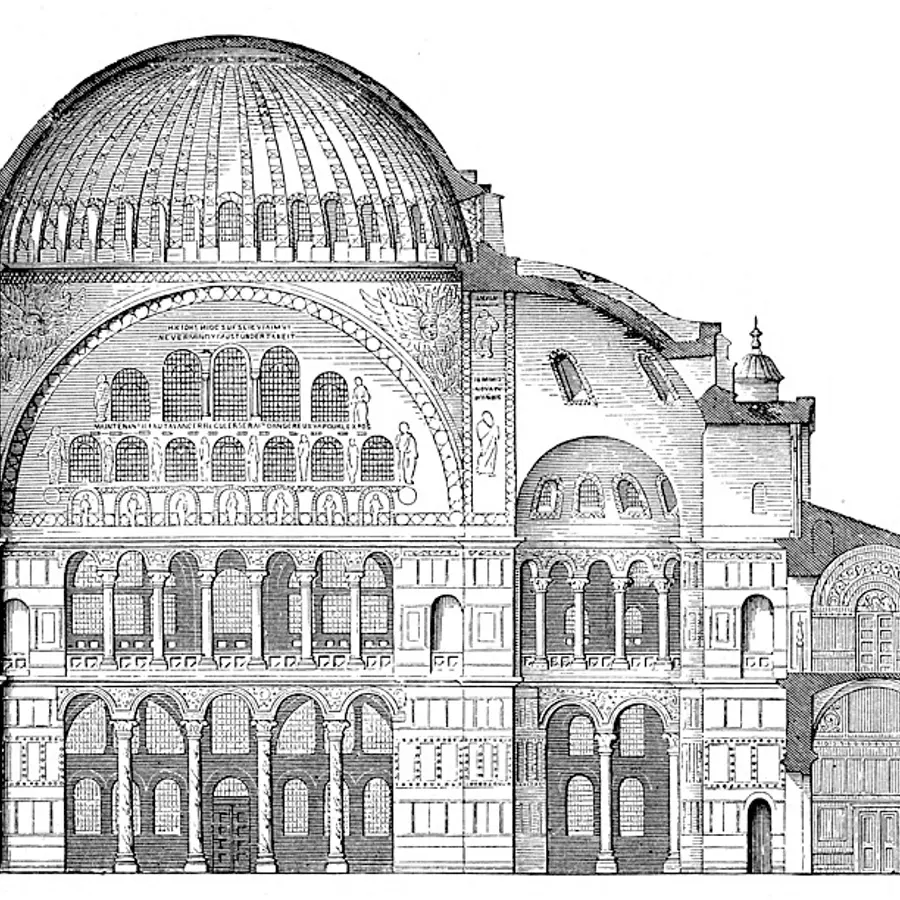
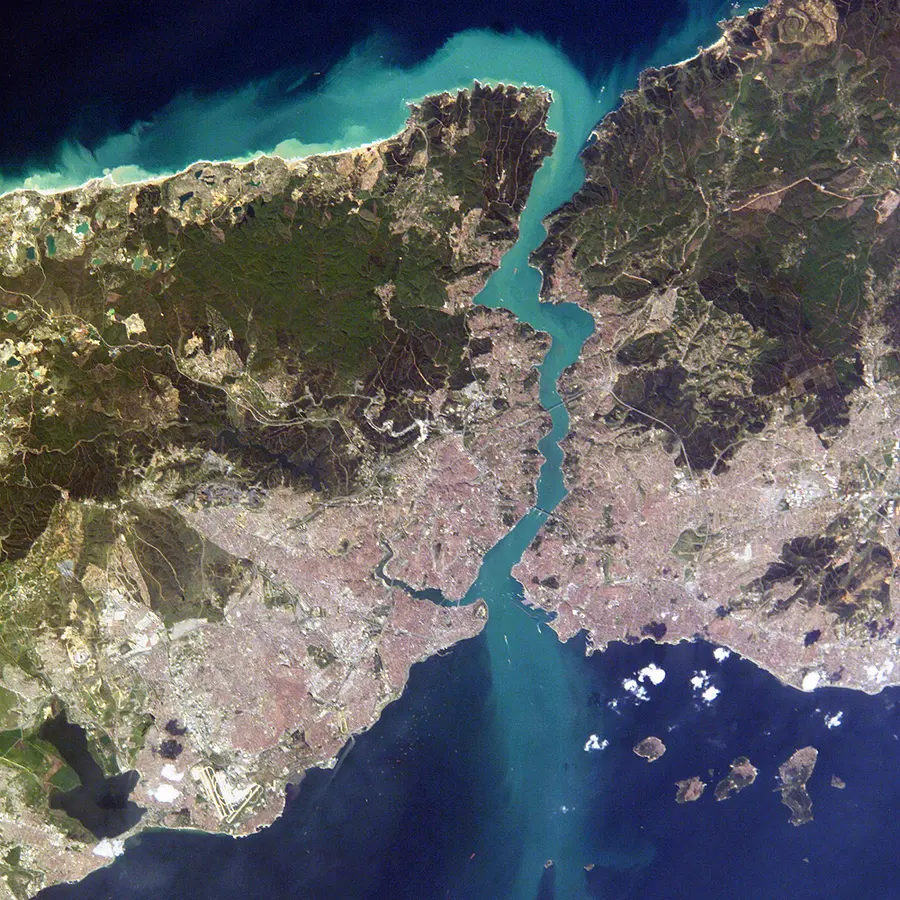
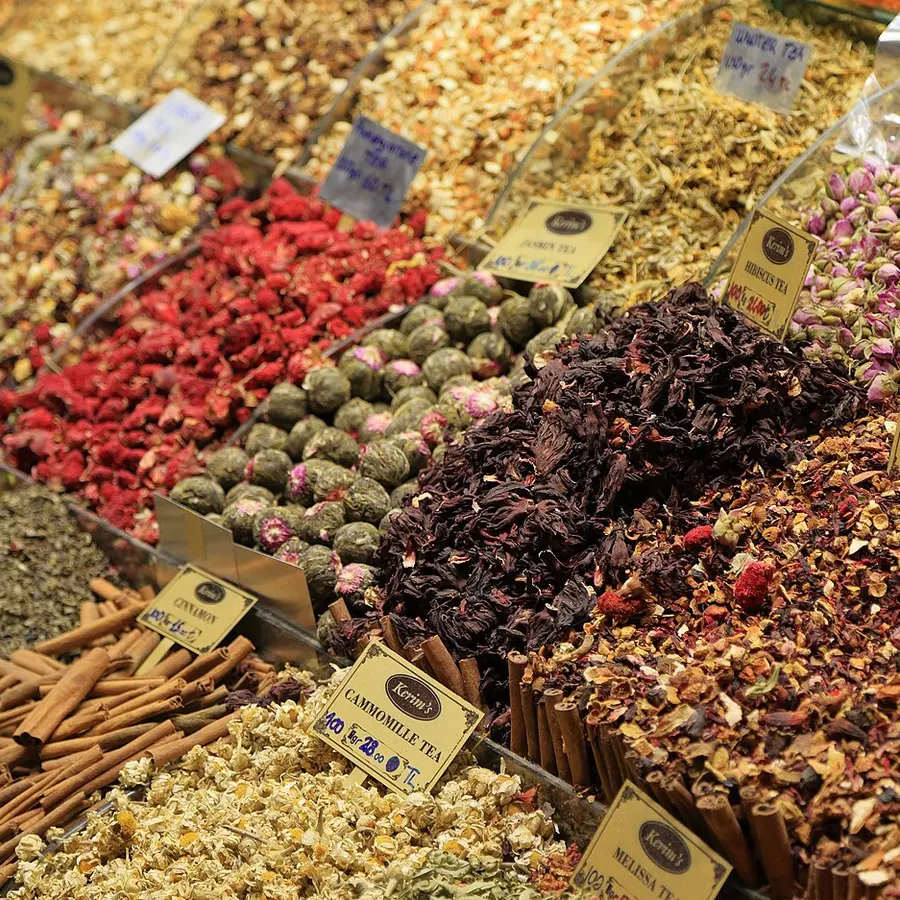
IstanbulIstanbul straddles Europe and Asia across the Bosphorus. Hagia Sophia was built as a cathedral in 537, later became a mosque, then a museum, then a mosque again — few buildings have changed function that many times and stayed standing. The Grand Bazaar has been trading on the same ground since the fifteenth century.
If you picked this
Adventure reads high while nature reads low — you want the unfamiliar, but you look for it in a city rather than a landscape. Alleys where the language doesn't work, food you haven't had, signs you can't read: that's the fun, not the stress.
Aesthetic is high as well, and that pairing is uncommon. Wanting somewhere unfamiliar and wanting it to be beautiful at the same time only gets satisfied in a place like this, where two continents and several eras are stacked in one city. People who go flat quickly in a safe destination end up here.
You travel well here with someone who treats a broken plan as the point. In Istanbul getting lost turns the alley into the destination, so a companion who needs the order kept will keep colliding with the city. Istanbul is usually undervalued in brackets — it doesn't reduce to one image the way Paris or Tokyo does, so the name alone lands softly. But the more voters have actually been, the better it performs. It's a square that needs explaining, and one that changes minds once explained.
The nearest square is Marrakech, then Cairo — three squares that go looking for an unfamiliar city, so they usually end up on the same side. The furthest is Cusco, and the split is simply whether you look for that unfamiliarity in a city or in a landscape.
Beaten on the way
head to head| Opponent | Record | Win rate |
|---|---|---|
| Cusco 🇵🇪 | 0W 2L | 0% |
| Barcelona 🇪🇸 | 1W 0L | 100% |
| Sydney 🇦🇺 | 0W 1L | 0% |
Top pick by region
world map
Region is inferred from browser language settings, so it is approximate.
© Unknown (Public domain) ↗ · © Astronaut photograph ISS008-E-21752 (Public domain) ↗ · © Martin Falbisoner (CC BY-SA 4.0) ↗